When I am asked about learning apologetics, I often refer to people five basic texts. Below I describe briefly each one for your consideration. I also suggest that you read them in the order presented.
Every Thought Captive by Richard L. Pratt (142 pages)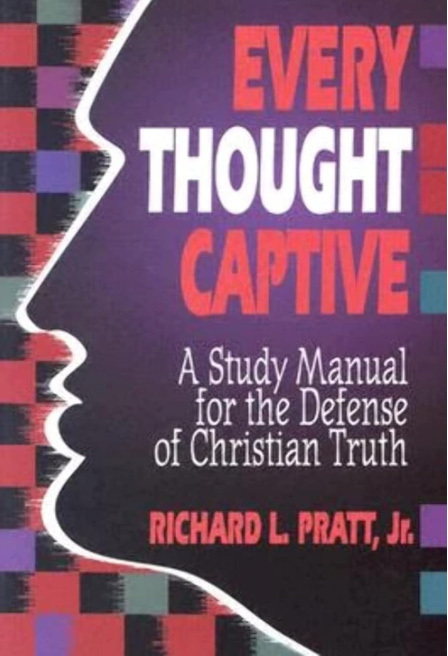
The author provides a clear and simple biblical-theological overview for doing apologetics. Chapters 9–13 concern tactical guidance for defending the faith. The “Apologetic Parable” (a hypothetical dialogue) representing evidentialist, rationalist, and presuppositional methodologies is worth the price of the book.
Always Ready by Greg L. Bahnsen (289 pages)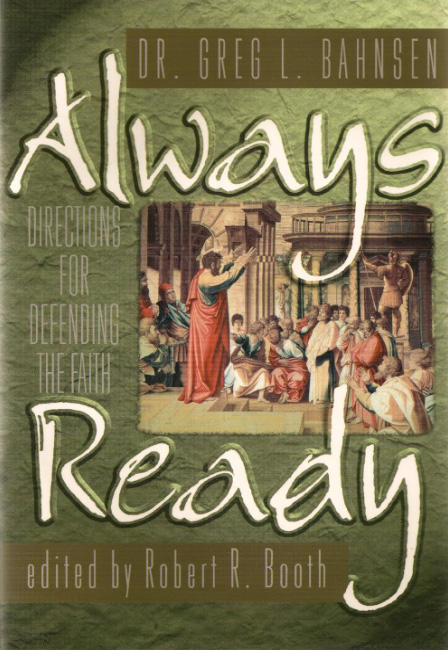
The book contains thirty-five chapters organized under five headings: The Lordship of Christ in the Realm of Knowledge, The Conditions Necessary for the Apologetic Task, How to Defend the Faith, The Conditions Necessary for Apologetic Success, and Answers to Apologetic Challenges. There is also a Biblical Exposition of Acts 17.
Christian Apologetics by Cornelius Van Til (206 pages)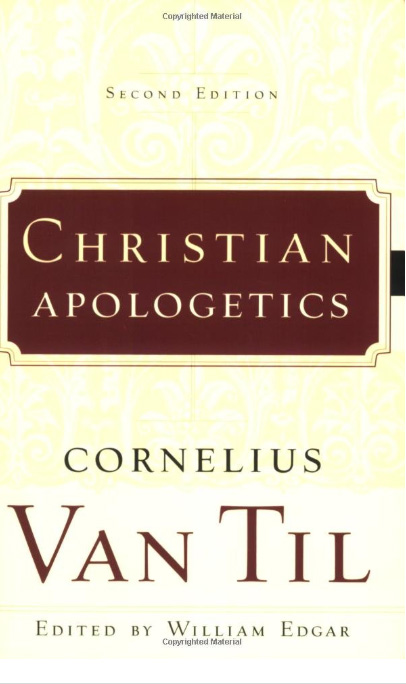
This is the classic text by Van Til and with an excellent Introduction by my mentor at Westminster Theological Seminar, William Edgar. The chapters describe principles of Van Til’s presuppositional (or transcendental) method, including The System of Christian Truth, The Christian Philosophy of Life, The Point of Contact, The Problem of Method, and Authority and Reason. This book is highly recommended.
Covenantal Apologetics by K. Scott Oliphint (277 pages)
The author is a retired professor of apologetics at Westminster Theological Seminary. The Forward is provided by William Edgar. The chapters are: Always Ready, Set Christ Apart as Lord, Proof to All Men, We Persuade Others, We Destroy Arguments, Walk in Wisdom Towards Outsiders, and You Are Very Religious. This text features reflections about apologetics based on passages in the Bible.
Tactics: A Guide to Effectively Discussing Your Christian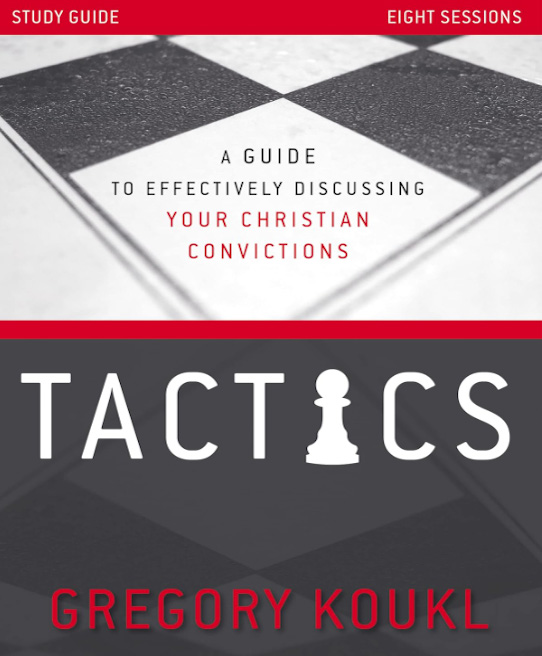 Convictions by Gregory Koukl (144 pages)
This is a study with exercises arranged in six sections. It is best utilized in a group, where the rhetorical techniques can be practiced and refined.
 Such a Mind as This